













上海海洋水族館圍繞一個核心理念設計:沿著一條平緩的下坡步道,穿越九個主題展區,從中國的河流一路走向開闊海洋。這一佈局是水族館最大的特色,卻也是最少被說明的部分,因為官方資料僅列出各展區,卻未展示它們如何串聯。在我們2025年和2026年的參觀中,我們多次走完全程下坡路線,本指南逐一展區說明路線順序——每個展廳的標誌性動物、值得留意之處,以及如何在水族館建議的2至3小時內,從容遊覽超過450個物種和15,000餘隻動物。
重點
- 九個展區,一條路線 – 一條平緩的下坡步道,無分支、無需折返。
- 中國展區開場,深海展區收尾 – 從長江物種到155米隧道,一次下坡盡覽。
- 450餘個物種,15,000餘隻動物 – 分佈於東方明珠塔旁的兩座金字塔形建築中。
- 建議 2-3 小時 – 水族館官方對完整九區遊覽的建議時長。
- 全程嬰兒車友善 – 下坡路線與隧道內的自動步道讓家庭遊客輕鬆通行。
快速回答: 九個展區依次為中國、南美洲、澳洲、非洲、東南亞、冷水、極地、海岸與深海,沿一條平緩的下坡路線按此順序排列。標準門票涵蓋全程遊覽——成人電子票起價 Trip.com $23.23 起 – 水族館建議遊覽時間為2至3小時。
路線如何串聯
水族館的佈局是一趟沿世界水域而下行的旅程。您從中國展區進入,沿平緩的下坡坡度穿過各大水生區域,最終抵達深海展區155米長的水下隧道——中國同類隧道中最長的一條——然後在出口附近浮出水面。全程無分支,也無需折返,因此無論是初次到訪還是第三次重遊,遊覽體驗同樣出色。
兩個設計選擇讓動線令人愉悅。坡度足夠平緩,水族館將此路線定位為嬰兒車友善;隧道內的自動步道意味著即使壓軸環節也無需您費力行走。順序本身也承載著無聲的敘事:先河流,再熱帶水域,然後寒冷海域,最後開闊海洋——一條水深遞進的弧線,孩子們無需被告知便能領會。
第1至3區:中國、南美洲、澳洲
中國展區是全球唯一專門展示中國特有水生生物的展廳,以整座建築中最沉重的保育故事揭開路線序幕。中華鱘——「水中大熊貓」——領銜一眾展品,包括胭脂魚、揚子鱷、大鯢和金沙鯉(Percocypris pingi),其中許多為國家保護動物。
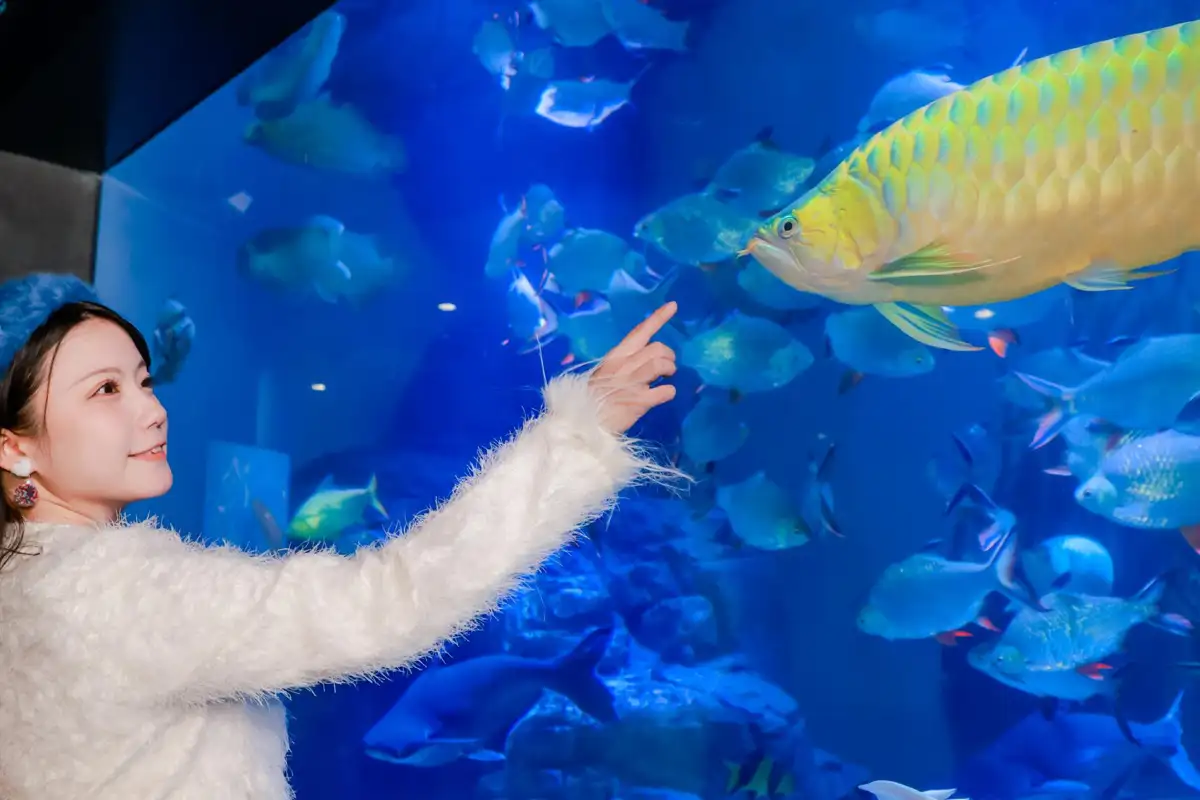
南美洲展區以規模取代保育主題。巨骨舌魚——地球上最大的有鱗硬骨淡水魚之一——坐鎮以亞馬遜為主題的展廳,而水下隧道的亞馬遜河段則在路線終點等候。澳洲展區隨後以受大陸長期隔離塑造的特有物種為淡水篇章收尾——可將該展廳視為亞馬遜巨魚與前方非洲色彩之間的味蕾清潔劑。
第4至6區:非洲、東南亞、冷水
非洲展區是色彩展區:來自維多利亞湖、坦干伊喀湖和馬拉威湖的慈鯛,這三大湖是世界魚類演化的偉大實驗室。這是一個適合在單一水族缸前駐足細賞而非走馬觀花的展廳,因為單一展示缸內的多樣性值得耐心品味。
東南亞展區帶來該地區河流與淺水區的熱帶雨林物種——路線中最綠意盎然、水流繁忙的一段,適合觀察細微之處。冷水展區隨後以斑海豹館登場,是下坡路線中第一個真正令人駐足驚嘆的段落。海豹在半弧形壓克力隧道中游弋,該物種擁有一項國家級特殊性:斑海豹是唯一在中國境內繁殖的海豹,其幼崽出生時通體純白。
第7至9區:極地、海岸、深海
極地展區是麥哲倫企鵝館——來自阿根廷、智利和福克蘭群島沿海的「燕尾服」羽色鳥類。成鳥體長約70厘米、體重4公斤,頭部黑色,一條白色條紋從眼後延伸至喉部,最宜放慢腳步觀賞而非匆匆路過。
海岸展區是沿海生物多樣性展廳,也是路線中物種密度最高的一段:成群游動的牛鼻鱝、具有返鄉本能的海龜、體長可達35厘米的膨腹海馬,以及眼下攜帶生物發光器官的燈眼魚。
深海展區是壓軸:長達3米的沙虎鯊、在155米隧道自動步道上方游弋的魟魚和群游魚類,以及頭頂的沙丁魚風暴展示。乘坐一次,再乘坐一次——壓軸是整段下坡旅程的獎賞,且包含在同一張門票之內。
九大展區一覽
為便於快速規劃,以下以一表呈現完整下坡路線——展區順序、標誌性動物,以及我們會為初次到訪者推薦的各展廳亮點。
| 展區 | 代表性動物 | 值得留意 |
|---|---|---|
| 中國 | 中華鱘、胭脂魚、揚子鱷、大鯢、金沙鯉 | 「水中大熊貓」;五種特有物種,別處無法同時見到。 |
| 南美洲 | 巨骨舌魚、亞馬遜河物種 | 巨骨舌魚橫越玻璃前的全幅巡游。 |
| 澳洲 | 特有淡水物種 | 受大陸隔離塑造的動物。 |
| 非洲 | 來自維多利亞湖、坦干伊喀湖和馬拉威湖的慈鯛 | 單一水族缸中的色彩與多樣性——駐足細賞,切勿走馬觀花。 |
| 東南亞 | 熱帶雨林物種 | Small-detail watching in a green, busy-water hall. |
| Cold Water | 斑點海豹 | The semi-arc tunnel view; pups are born pure white. |
| Polar | Magellanic penguins | Black heads with a white band behind the eyes. |
| Sea & Shore | Green sea turtles, pot-bellied seahorses, cownose rays, flashlight fish | Seahorses up to 35 centimeters; flashlight-fish light organs. |
| Deep Ocean | Sand tiger sharks, rays, schooling fish | The 155-meter tunnel ride – take it twice. |
Signature animals here are anchors, not a census – each hall holds more than we list, across the aquarium’s 450-plus species. Use the table for orientation, then go deeper: our 亮點指南 picks out the twelve moments worth building a visit around.
下坡路線的節奏安排
The aquarium recommends 2–3 hours for the visit, and the nine-zone walk fits that honestly. A comfortable rule of thumb from our visits: keep the upper-route halls brisk, and spend the saved minutes on the seals, the penguins and the tunnel – the stretches where most visitors genuinely want more time.
- First hour. China through Southeast Asia at a steady pace, letting the zone order do the storytelling while your attention is fresh.
- Middle stretch. Slow down for Cold Water and Polar – seals and penguins reward patience, and the halls sit at the route’s natural midpoint.
- Final hour. Sea & Shore’s small-detail tanks, then the Deep Ocean tunnel – ideally with time for a second ride before you surface.
Mind the clock: the aquarium runs 09:00–18:00 daily but stops admitting visitors at 17:30. A full nine-zone walk is not a late-afternoon project – start early, or plan an honest shorter visit instead of a rushed one.
Feedings first: five interactive feeding sessions run daily and the day’s schedule is posted at the entrance. Slot one into your pacing plan before you start the descent, rather than hoping to bump into it.
常見問題
How many zones are in the Shanghai Ocean Aquarium?
Nine themed zones, walked in a fixed order on a single gentle downhill route: China, South America, Australia, Africa, Southeast Asia, Cold Water, Polar, Sea & Shore and Deep Ocean.
What is the route order at Shanghai Ocean Aquarium?
China opens the route and the Deep Ocean tunnel closes it. In between, the walk runs South America, Australia, Africa, Southeast Asia, Cold Water, Polar and Sea & Shore – rivers to tropical water to cold seas to open ocean.
How long does it take to see all nine zones?
The aquarium recommends 2–3 hours for the full visit. Families with young children and photographers should plan for the top of that range, and expect the seals, penguins and tunnel to absorb the extra time.
Is the whole route stroller and wheelchair friendly?
The route is a gentle downhill walk and the aquarium presents it as stroller-friendly; the tunnel is ridden on a moving walkway. For specific accessibility questions, contact the aquarium on +86-21-58779988 before your visit.
Which zone should I not skip?
The China Zone – it is the world’s only aquarium zone dedicated to endemic Chinese species – and the Deep Ocean tunnel that closes the route. Between those two bookends, all nine zones are one continuous walk anyway.
Book the e-ticket and start at the top
Nine zones, one downhill walk
Instant-confirmation e-tickets with QR-code entry – skip the counter queue and start the descent early.
From here, three guides extend this one: our 海底隧道指南 for the finale, our China Zone guide for the world’s-only hall at the top of the route, and our Amazon zone guide for the arapaima hall. If you would rather browse the aquarium as a whole first, our 遊客指南 collects hours, access and planning basics in one place. Pick your pace, book the e-ticket, and let the downhill walk do the rest.
來源
- Zone count, route structure, species totals and tunnel facts per the official Shanghai Ocean Aquarium English-language site, checked October 2026.
- Zone-by-zone species descriptions (China Zone, South America, Africa, Southeast Asia, Cold Water, Polar, Sea & Shore, Deep Ocean) from the aquarium’s official exhibit materials.
- Hours, the 17:30 admission cutoff, the 2–3 hour recommendation and e-ticket pricing from the Trip.com partner listing, checked October 2026.
- Route order and zone highlights verified on-site by our editorial team during 2025–2026 visits.
